Homeowner's Guide to improving indoor air quality and HVAC efficiency
Air Vent Cleaning: Breathe Easier With These Crucial Tips
Air duct maintenance plays an important role in maintaining a clean indoor environment. It eliminates allergens, dust, and pollutants that can affect air quality. Recognizing when ducts require attention is vital for peak HVAC performance. Homeowners frequently overlook the equipment and methods essential for thorough cleaning. Comprehending these aspects can greatly impact comfort and energy savings. What steps should one follow to guarantee superior air quality and system performance?
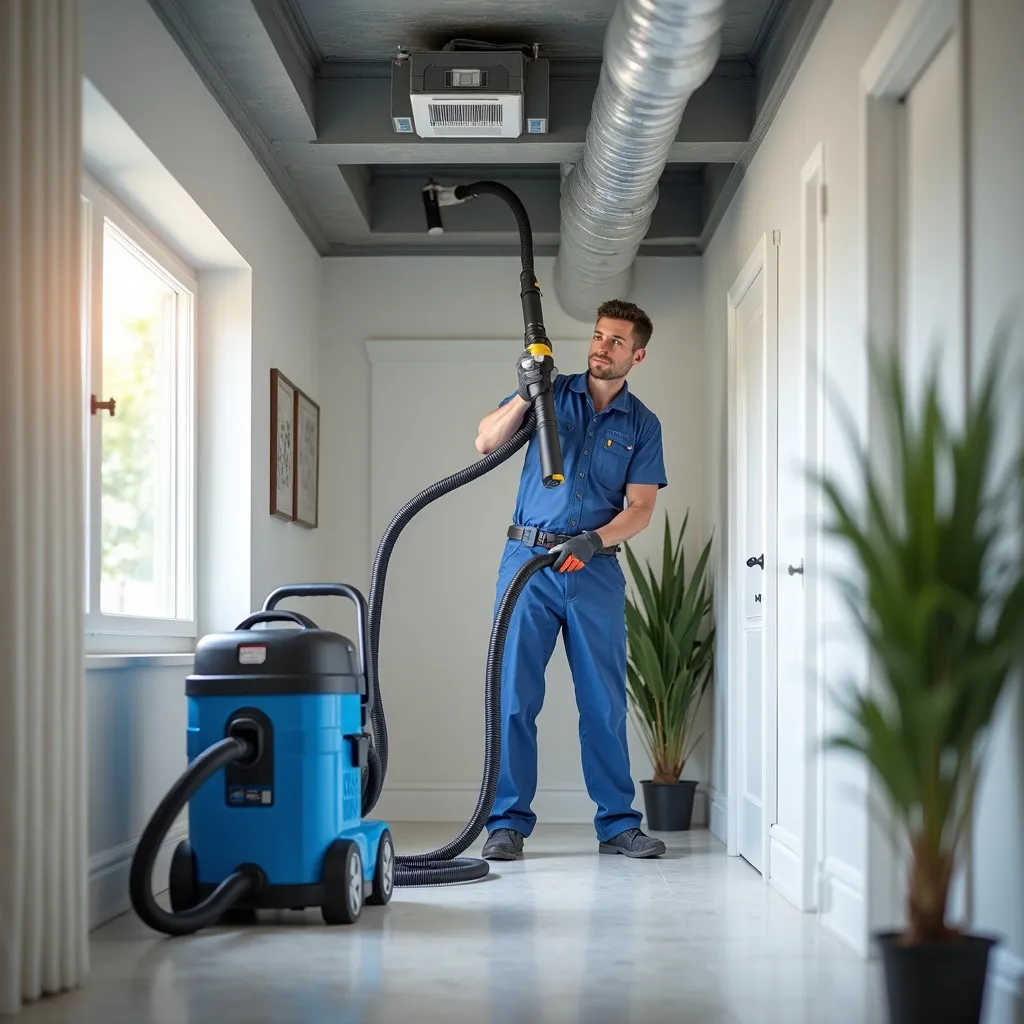
How Air Duct Maintenance Improves Your Wellness
Air duct cleaning greatly enhances air purity inside homes, resulting in improved health for residents. Over time, dirt, irritants, and harmful particles accumulate within the ductwork, circulating through the air. This accumulation can worsen breathing difficulties, allergic reactions, and various health concerns. By eliminating these impurities, air duct cleaning reduces the likelihood of airborne diseases and encourages a more salubrious home setting.
Additionally, clean air ducts can increase the effectiveness of climate control systems, bringing about more uniform temperatures and diminished energy expenditure. This not only aids in overall well-being but also decreases exposure to harmful substances that can be emitted when systems are poorly maintained.
Consistent cleaning of air ducts ensures that fresh, clean air circulates throughout the home, boosting better sleep, increased energy levels, and overall well-being. Ultimately, maintaining clean air ducts is a essential step in protecting the health of all occupants.
Evidence Your Ducts Need Cleaning?
Regular upkeep of air ducts is essential for maintaining a healthy living environment. Homeowners should be vigilant for several indicators indicating that duct cleaning is needed.
One key sign is visible dust or debris around vents or the air filter, pointing to accumulated dirt within the ducts. In addition, if occupants experience increased allergy symptoms, such as sneezing or congestion, it may signal that pollutants are circulating in the air.
Unpleasant aromas emanating from vents may also point to fungal growth or stagnant debris. Additionally, if the HVAC system is performing poorly, demanding frequent repairs or resulting in inconsistent temperatures, dirty ducts could be the problem.
In conclusion, an uptick in energy costs could demonstrate a restricted system failing to move air adequately. Detecting these markers can help guarantee scheduled cleaning and maintain excellent interior air health.
DIY Air Duct Cleaning Tools You Need
Maintaining clean air ducts demands the proper tools to assure productive DIY cleaning. Key implements for this task include a vacuum cleaner outfitted with a HEPA filter, which captures microscopic particles and allergy-causing particles.
A assortment of brushes, specially crafted for duct cleaning, helps dislodge particles and dust from the walls of ducts. take action Additionally, a flashlight is essential for inspecting shadowy spaces in the ducts, guaranteeing thorough cleaning.
Protective equipment, such as gloves and a respirator, is crucial to copyright safety while dealing with dust and potential contaminants. A screwdriver set is also essential for taking off vent covers and access panels.
Finally, a damp cloth can be employed to clean vent areas after cleaning. Together, these tools form a comprehensive kit for anyone seeking to address air duct cleaning effectively and safely.
Assemble Important Tools
Gathering the proper tools is essential for an efficient air duct cleaning operation. A high-quality vacuum cleaner with a HEPA filter is vital for removing dust and allergens.
A collection of cleaning tools, including a long-handled duct brush, helps removing debris from the duct walls. Adaptable duct cleaning rods can increase reach and facilitate access to hard-to-reach areas. Additionally, having a flashlight allows for thorough examination of the ducts' interiors.
Protective apparel, such as gloves and masks, guarantees safety during cleaning. Finally, a step ladder may be required for reaching higher vents.
Ready Your Space for Action
A carefully prepared space is crucial for an efficient air duct cleaning service. First, the area around vents should be emptied of items and blockages to facilitate easy access. This helps avert any harm to belongings and confirms a thorough cleaning.
Next, homeowners should seal supply vents with plastic sheeting to contain dust and debris during the process. It is also advisable to turn off the HVAC system to avoid circulating contaminants.
Finally, installing a vacuum with a HEPA filter nearby can help trap any particles released during cleaning. By following these approaches, individuals create an ideal atmosphere that supports effective air duct cleaning and maximizes overall results.
Purify Ducts Completely
Before beginning the air duct maintenance procedure, it's vital for homeowners to understand the sequential process that assures complete results and efficiency.
First, one should collect necessary tools, including a vacuum, brushes, and microfiber cloths. Next, turn off the HVAC system to promote safety.
Finally, remove the vent covers and wash them with warm soapy water. By using a vacuum, cautiously remove dust and debris from the ducts. For deeper cleaning, utilize duct brushes to dislodge stubborn particles.
Once you finish tidying, reinstall the vent covers and change the air filter. Finally, switch the HVAC system back on and inspect for any unusual sounds.
Opting for a Seasoned Air Duct Cleaning Firm
How can one secure that they find a dependable air duct cleaning service? First, it is crucial to examine potential providers carefully. Examining for accreditations, such as those from the National Air Duct Cleaners Association (NADCA), confirms clients of compliance to industry standards.
Next, acquiring multiple bids allows for a comparison of solutions and pricing. A trustworthy company will conduct a thorough inspection before offering an estimate, avoiding any misleading cheap proposals.
Also, question the cleaning methods and equipment used; a credible service will utilize advanced tools and techniques.
In conclusion, check the company has appropriate coverage and is bonded, safeguarding clients from potential damages.
Ways to preserve fresh Air Ducts year-round the Year
Keeping air ducts clean throughout the year is essential for guaranteeing indoor air quality and system efficiency. Routine checks are important; homeowners should check ducts for dirt and particles accumulation periodically throughout the year.
Premium air filtration systems substantially decrease pollutants, as these filters capture smaller debris that conventional filters might overlook. It is wise to replace these filters every three months minimum or per maker recommendations.
Additionally, lowering indoor air pollutants can support in maintaining duct cleanliness. This includes limiting dust-generating activities, such as smoking or using certain candles, and ensuring sufficient ventilation when applying cleaning products.
Consistent upkeep of the home, featuring vacuuming and dusting, helps minimize the amount of dust that could enter the ducts. Finally, arranging a professional service every few years can further guarantee that air ducts stay clear of dangerous accumulation, fostering a improved indoor habitat.
Air Duct Cleaning Services: Costs vs. Rewards
Analyzing the pros and cons of air duct cleaning shows critical insights for homeowners. The starting investment typically amounts from $300 to $1,000, affected by factors like the size of the home and the difficulty of the duct system.
While this may appear substantial, the potential benefits often exceed the costs. Clean air ducts can enhance indoor air quality, reducing allergens and irritants. This may result in fewer respiratory issues and lower healthcare costs over time.
In addition, a immaculate ductwork can maximize HVAC efficiency, potentially minimizing energy bills by 10-30%. Homeowners should also consider the endurance of their HVAC systems.
Routine upkeep can increase the longevity of the equipment, reducing the necessity for untimely substitutions. Ultimately, weighing the initial investment against extended wellness gains and energy savings can enable homeowners reach informed decisions about air duct cleaning.
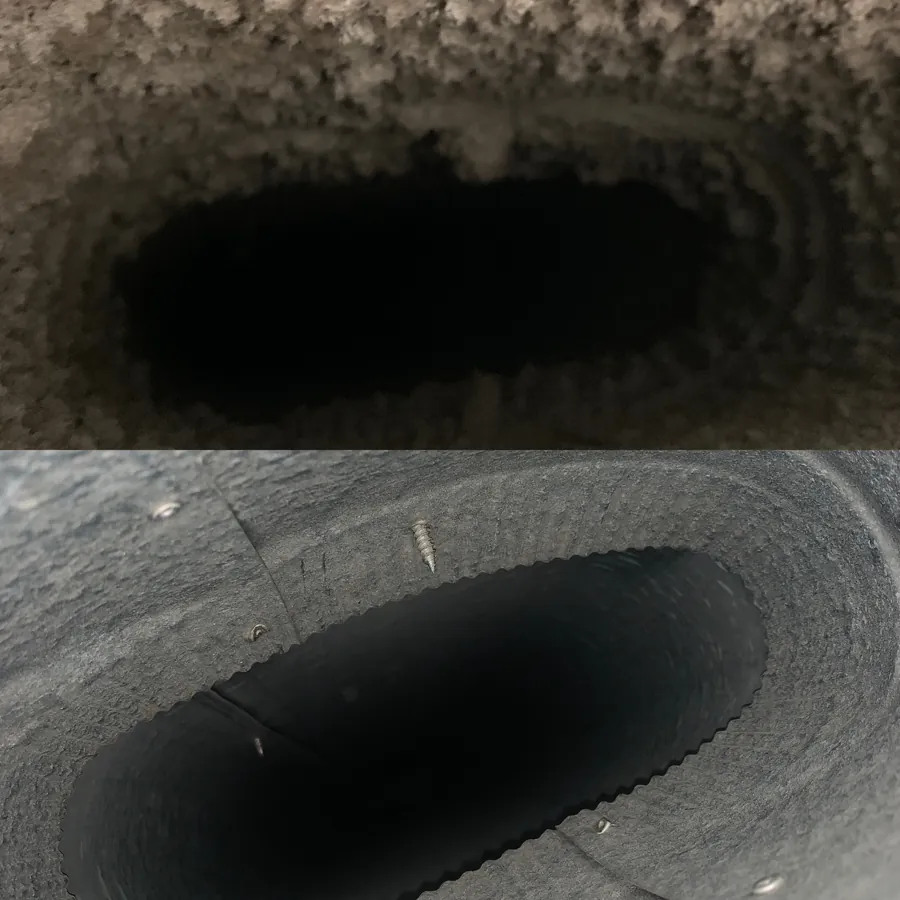
Common Questions Asked Regularly
How Many Times Should I Clean My Air Ducts?
Professionals advise having your air ducts cleaned every three to five years. However, conditions including pets, allergies, or recent renovations may require more regular cleanings. Consistent maintenance provides better air quality and system performance for superior performance.
Am I Able to Cleanse My Ducts Without Professional Help?
Although it's feasible to remove duct debris independently, DIY techniques may not produce comprehensive cleaning. Proper tools and techniques are vital for effective cleaning, making professional assistance often a more reliable choice for enhanced air quality.
Which Risks Come from Dirty Air Ducts?
Unclean air ducts may create compromised indoor air quality, worsening allergens and pollutants. This could result in respiratory issues, allergies, and overall discomfort. Additionally, piled-up particles can hamper HVAC efficiency, spiking energy costs.
Do Air Duct Sanitation Solutions Provide Warranties?
Many air duct cleaning services do offer guarantees, confirming customer satisfaction. These assurances often include the quality of work performed, offering confidence that the service will attain defined benchmarks and handle any complications that emerge post-cleaning.
Does Air Duct Cleaning Services Warrant the Investment?
Investing in air duct cleaning can be worthwhile, as it improves air quality within your home, optimizes HVAC performance, and possibly extends system lifespan. Homeowners frequently observe noticeable advantages, making it a smart choice for many.